The most breathtaking gallery in San Francisco doesn’t have a roof, a ticket booth, or a stifling gift shop. While most visitors spend their afternoons trapped in crowded museum lobbies, the city’s true soul is etched into its steep hillsides and tiled into hidden residential stairways. You’ve likely felt the frustration of fighting for space in front of a famous painting or the confusion of navigating our vertical topography just to find a local favorite. It’s a common struggle for those who want to see the must-see art of San Francisco without the typical tourist fatigue or the fear of missing out on the secrets of the hills.
We promise to help you trade the stuffy indoor lines for an invigorating urban hike that blends high-brow culture with physical discovery. You’ll learn how to master the city’s challenging terrain to uncover world-class museums and hidden hillside masterpieces. We are going to explore a curated list of street-level gems and vertical art that offers a deep sense of accomplishment and a fresh perspective on our historic neighborhoods, all while getting your morning exercise in the fresh Pacific air. Get ready to see the city as a living, breathing canvas.
Key Takeaways
- Identify why the architecture of the de Young and Legion of Honor makes them essential stops for any serious urban explorer.
- Experience the must-see art of San Francisco by climbing vibrant, community-tiled stairways that turn a steep workout into a visual feast.
- Uncover hidden frescoes and neighborhood murals that offer a deep dive into local lore without the museum crowds.
- Master the logistics of a high-altitude gallery tour, ensuring you have the right gear to handle the city’s unpredictable mist and vertical terrain.
The Pillars of San Francisco Art: Iconic Museums and Modern Masterpieces
San Francisco’s creative identity thrives on a tension between old-world elegance and a restless, modern spirit. It is a city where classical masterpieces share the skyline with bold, rebellious installations. This unique blend of classical patronage and contemporary defiance defines the local scene, turning every neighborhood into a potential gallery. The de Young, the Legion of Honor, and SFMOMA serve as the primary anchors of the city’s cultural topography, grounding our vertical landscape in world-class creativity. While the canvases inside are breathtaking, the buildings themselves act as monumental sculptures that demand a physical approach from any urban explorer.
By 2026, the creative pulse of the city has shifted toward immersive experiences. SFMOMA has fully embraced this evolution, unveiling new digital installations that transform the museum’s interior into a pulsing, interactive environment. These high-tech displays offer a sharp, intellectual contrast to the quiet, copper-clad presence of our older institutions. Whether you are looking for the glow of a screen or the texture of oil on canvas, these pillars represent the must-see art of San Francisco.
The Golden Gate Park Art Circuit
A visit to the de Young Museum is more than a gallery tour; it is a full-body engagement with Golden Gate Park. The building’s textured copper skin is designed to oxidize over time, eventually blending into the surrounding eucalyptus groves. We recommend starting your morning with a climb up the Hamon Observation Tower. This 144-foot ascent provides a panoramic blueprint of the city’s ridges, allowing you to map out your next stairway walk from above. After descending, wander through the outdoor sculpture garden to see massive works by Moore and Calder. It’s a fitness-friendly way to appreciate art without the constraints of four walls. Follow the hidden, winding paths toward the California Academy of Sciences to view the living roof, a 2.5-acre architectural masterpiece that mirrors the rolling hills of the city.
The Legion of Honor: Art at the Edge of the World
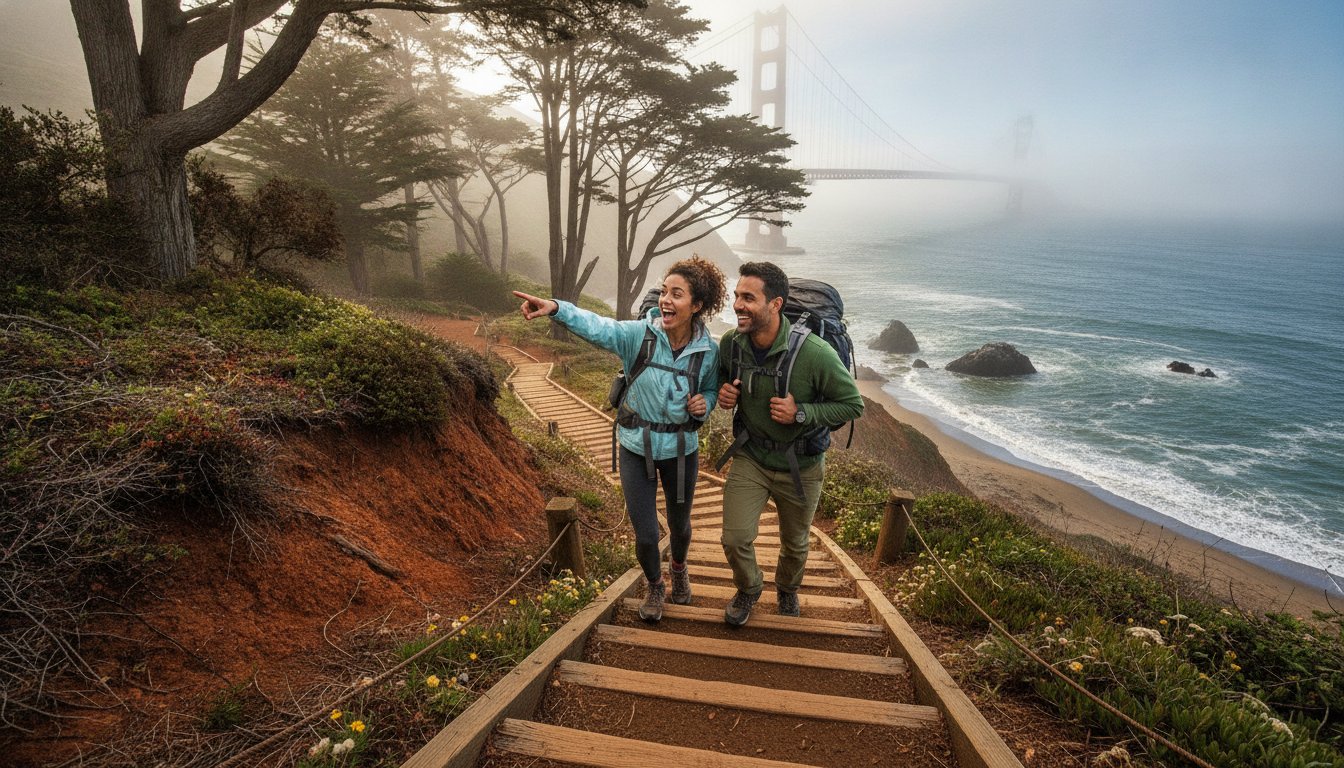
The trek to Lincoln Park offers the most rewarding physical challenge for any art lover. This neoclassical landmark sits at the city’s rugged western edge, providing a reward-to-effort ratio that is hard to beat. While most visitors stop briefly at “The Thinker” in the courtyard, the real magic happens in the European sculpture court. The dramatic, shifting light of the Pacific fog creates a living backdrop for the marble forms, making the viewing experience feel active and alive. To truly experience this site, connect your visit with a hike from the coastal trails of Land’s End. This path allows you to transition from the wild, salt-sprayed cliffs directly into the refined silence of classical masterpieces. It is a quintessential San Francisco journey where the physical adventure is just as moving as the art itself.
Masterpieces in the Mist: Discovering San Francisco’s Tiled Stairways
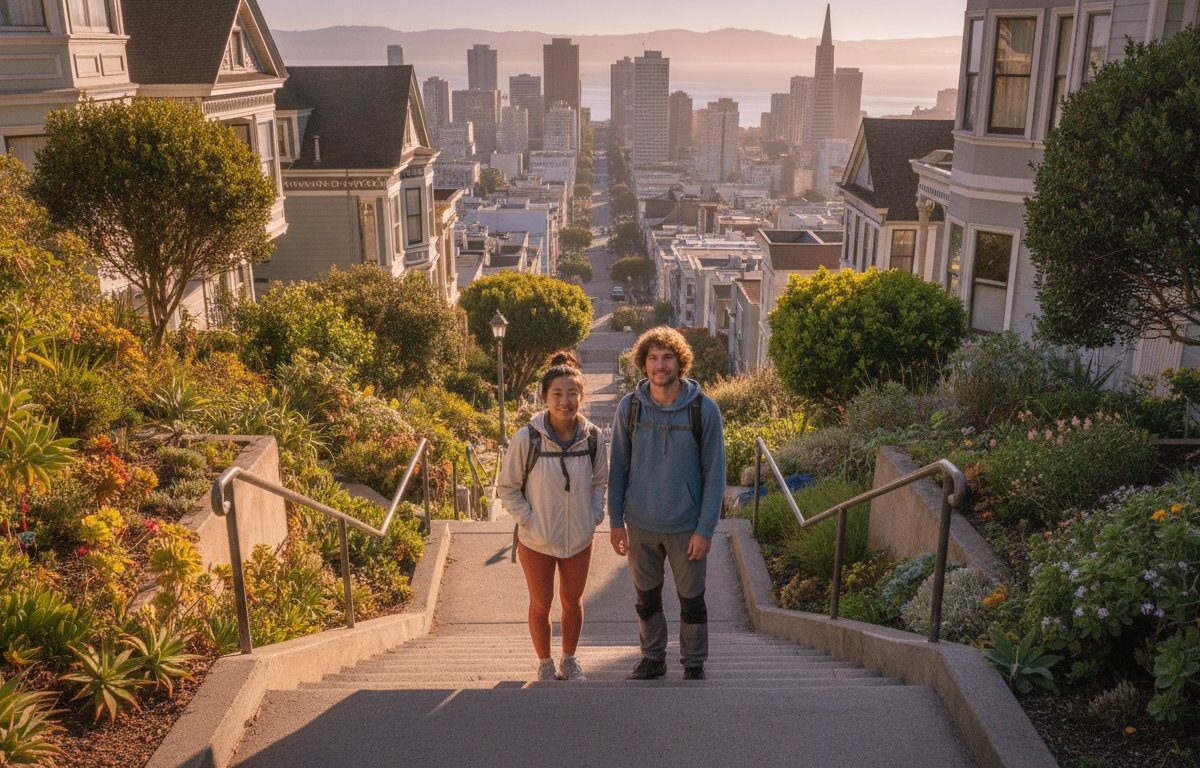
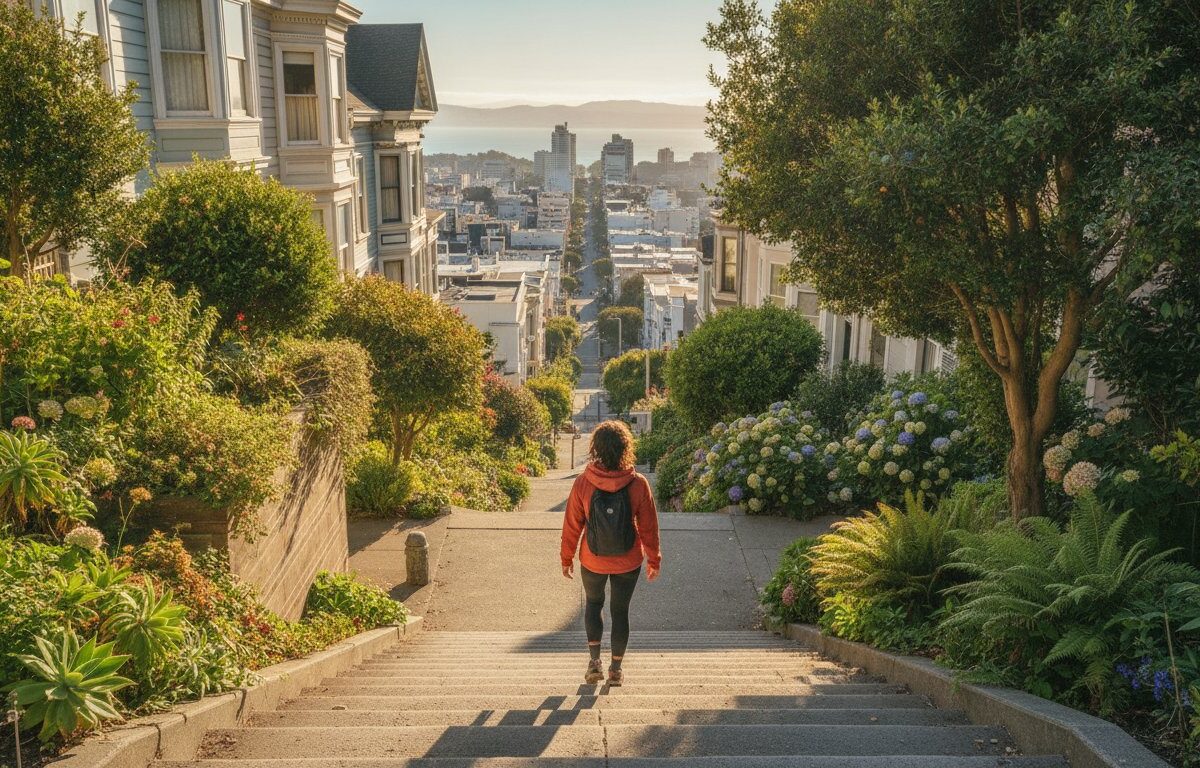
The most democratic art in this city isn’t found behind a velvet rope. It is built into the very concrete of our steepest hills. We call this the Vertical Gallery. These tiled stairways are the must-see art of San Francisco because they transform a grueling morning workout into a visual narrative. You aren’t just burning calories; you’re ascending through a community-led masterpiece. This is where the city’s grit meets its creative soul, turning every step into a deliberate act of discovery.
Climbing these “canvases” provides a high-intensity morning workout that no gym can replicate. The physical challenge is real, but the distraction of the mosaic keeps your mind off the incline. If you want to conquer these climbs with a group that knows every shortcut and secret garden, our stairway walks turn a solo struggle into a shared adventure.
The 16th Avenue Tiled Steps: A Sea-to-Stars Journey
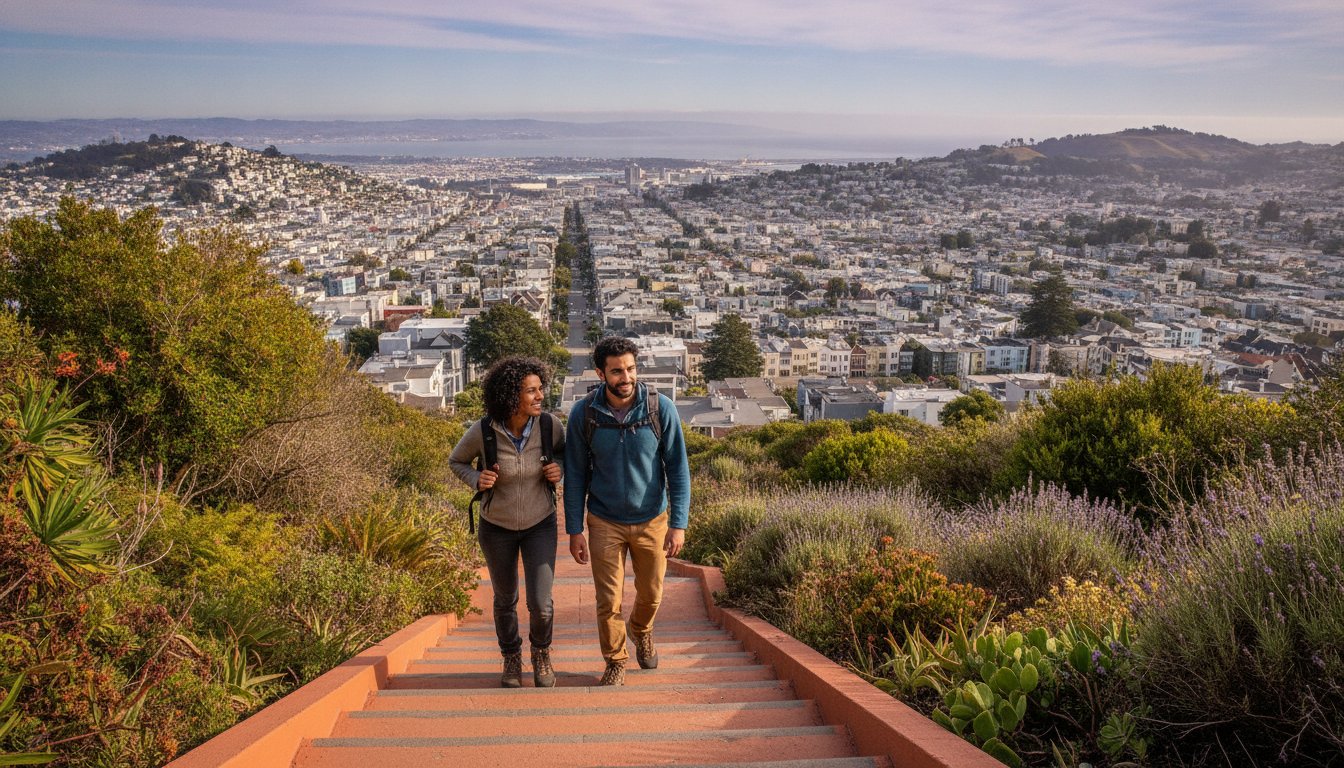
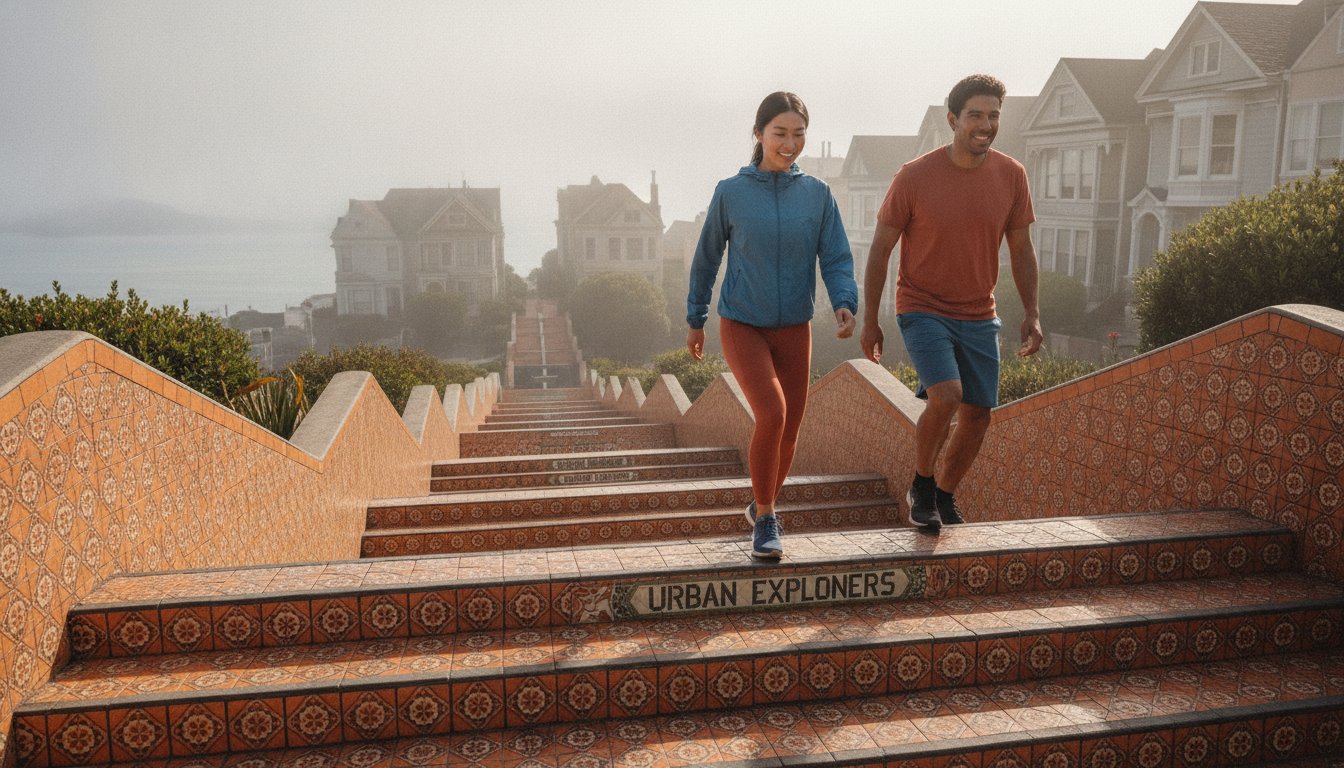
The 16th Avenue Tiled Steps are a 163-step mosaic marathon. This project represents a massive community effort that turned a drab thoroughfare into a sea-to-stars journey. At the base, you’ll find swirling turquoise waves and deep-sea creatures. As you climb, the imagery shifts toward terrestrial flora and eventually culminates in a blazing sun at the peak. To capture the full sweep of the stairs without the midday crowds, arrive just after sunrise. The soft morning light makes the glass tiles glow without harsh reflections. Don’t stop at the top step. Continue your hike up to Grandview Park for a 360-degree payoff that makes the leg burn worth every second.
If you prefer a quieter path, the nearby Hidden Garden Steps offer a botanical approach to urban mosaic art. These steps feature intricate designs of California poppies and garden insects. It’s a softer, more reflective climb that still provides a serious cardiovascular challenge through a residential corridor.
The Lincoln Park Steps: A Beaux-Arts Revival
Located near the edge of the Legion of Honor, the Lincoln Park Steps showcase a vibrant 2015 renovation. This site successfully blends historical Beaux-Arts architecture with modern, community-driven mosaic patterns. The colors are electric, standing out even on the grayest foggy mornings. The Lincoln Park Steps act as a bridge between the city’s residential streets and its grandest museum.

Neighborhood Murals and Hidden Installations: Art at Every Elevation
The city’s creative spirit spills over from the museum walls and into the quietest residential corners. To truly experience the must-see art of San Francisco, you have to leave the main thoroughfares behind. We specialize in the “backyard perspective.” This means finding the overlooked masterpieces tucked between Victorian fences or hidden behind a canopy of Monterey pines. It is a journey that requires sturdy shoes and a curious mind, as the best installations are often the hardest to reach.
One of the most rewarding physical challenges is the ascent to Coit Tower. While the views from the top are legendary, the real treasure lies inside the base. The Depression-era frescoes are a masterclass in social realism, but reaching them requires a steep uphill approach through the lush gardens of Telegraph Hill. This is art that demands effort, rewarding your climb with a deep dive into the city’s labor history. If you want to explore these storied inclines with an expert guide, join one of our neighborhood history tours to uncover the narratives hidden in plain sight.
The Mission District Mural Marathon
The Mission District is the city’s pulsing cultural heartbeat. Navigating Balmy Alley and Clarion Alley on foot is the only way to appreciate the sheer scale of this outdoor gallery. While Clarion Alley often leans into gritty political commentary, Balmy Alley offers a more intimate look at the neighborhood’s heritage. Don’t miss the Women’s Building MaestraPeace Mural. This five-story masterpiece is a dense tapestry of community storytelling. Seeing it from the sidewalk allows you to absorb details that are invisible from a passing car window.
Hillside Installations: Art Integrated into Topography
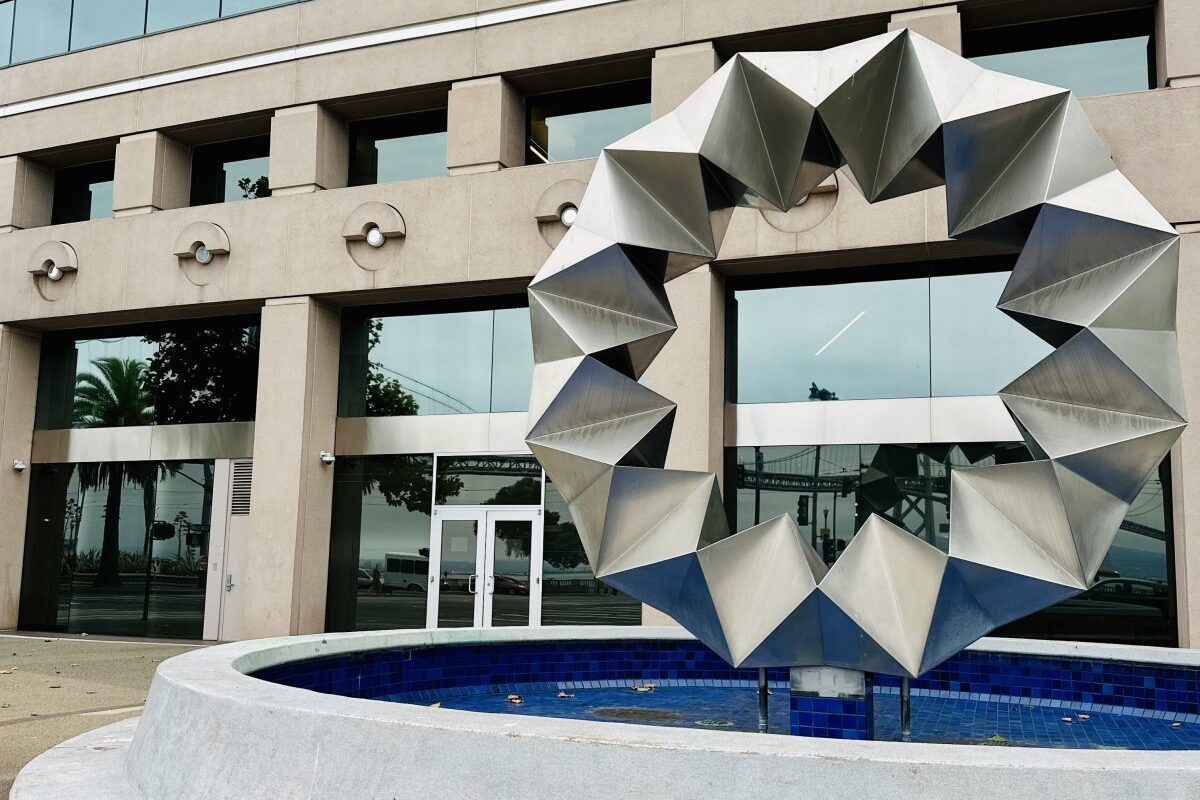
Art in San Francisco is frequently a collaboration with the terrain. In the Presidio, forest trails lead you to Andy Goldsworthy’s “Spire” and “Wood Line.” These are not traditional statues; they are organic interventions that use the landscape as both medium and canvas. For those seeking the must-see art of San Francisco without the museum crowds, these forest paths offer a serene, sculptural alternative. Back toward the water, “Cupid’s Span” serves as a pop-art gateway to the Embarcadero. Even the architecture of the Painted Ladies acts as a form of functional art, where the intricate Victorian details tell a story of 19th-century optimism. For those with a sharp eye, the steep alleys of Telegraph Hill hide the “Hidden Giants,” local street art that rewards the persistent urban hiker.
The Art of the Urban Hike: Planning Your High-Altitude Gallery Tour
Experiencing the must-see art of San Francisco requires more than a simple map; it requires a tactical approach to the city’s verticality. You can’t just wander aimlessly and expect to stumble upon the hidden mosaics or forest sculptures tucked into our residential ridges. A successful day merges the intellectual quiet of a museum with the rhythmic exertion of a steep climb. By treating the city’s topography as a three-dimensional gallery, you turn a standard sightseeing trip into a transformative physical adventure. It’s about seeing the city as a living canvas where the transitions between neighborhoods are just as vital as the destinations themselves.
Planning your route involves balancing the high-intensity morning exercise with moments of quiet reflection. We recommend structuring your day around a specific ridge or neighborhood cluster. This allows you to tackle the most challenging inclines while your energy is high, leaving the flatter museum corridors for your afternoon cool-down. After a morning of conquering concrete peaks, reward your effort by linking your art tour to the city’s legendary culinary scene. Every great urban hike should culminate in a local neighborhood restaurant where you can toast to your physical and cultural accomplishments.
Logistics for the Active Art Lover
Timing is everything when it comes to the “artistic light” of the Bay Area. Start your journey early to beat the thickest blankets of afternoon fog that can obscure the panoramic payoffs of your climb. To navigate the terrain safely, your gear list must include three essentials: moisture-wicking layers for the microclimates, a reliable sense of direction, and high-quality grip-sole shoes. The city’s stairways can be slick with morning mist, and a firm footing is non-negotiable for a safe ascent. You can use the topography to your advantage by starting at the highest elevation and winding your way down through hidden residential paths. A guided stairway tour is the cheat code to San Francisco’s most elusive art spots, providing a curated path through the maze of private gardens and public easements.
Curating Your Own Adventure with City Drifts
Our stairway walks are designed for those who want more than a surface-level tour. We turn a standard morning workout into a cultural deep-dive by leading you through the quietest corners of the city. Having a local guide means you won’t just see the art; you’ll understand the stories of the residential backyards and community efforts that created it. We handle the logistics and the navigation, leaving you free to focus on the movement and the masterpieces. Book your next urban hike with City Drifts to see the city from a fresh, elevated perspective.
Step into the City’s Living Canvas
San Francisco is more than a collection of landmarks; it’s a vertical gallery waiting for those willing to climb. You’ve seen how world-class museums anchor our culture, while tiled stairways and neighborhood murals turn every steep street into a masterpiece. By blending physical adventure with intellectual curiosity, you gain a perspective that motorized tours simply can’t reach. Finding the must-see art of San Francisco shouldn’t feel like a chore or a crowded museum visit. Instead, it’s an invitation to explore hidden residential stories and secret paths that reveal the city’s true character.
Our small-group tours focus on these hidden gems, offering invigorating hikes that blend fitness with local storytelling. You don’t have to navigate the steep topography alone. Our expert guides know the secret paths of the hills, ensuring you see the most rewarding viewpoints without the frustration of getting lost. Join an invigorating City Drifts stairway walk and discover San Francisco’s hidden art from the best viewpoints in the city. Lace up your shoes and prepare for an active day of discovery.
Frequently Asked Questions
What is the most famous piece of art in San Francisco?
Rodin’s “The Thinker” at the Legion of Honor is widely considered the most iconic masterpiece in the city. This bronze cast sits in the museum’s courtyard, offering a contemplative entrance to the galleries. While it’s the most recognizable, the city’s true creative heart is found in its public murals and tiled stairways. These community-led projects represent the must-see art of San Francisco for those who prefer an active, outdoor experience over traditional museum halls.
Are the San Francisco tiled stairways free to visit?
Yes, all the city’s tiled stairways are free public thoroughfares located within residential neighborhoods. You can visit the 16th Avenue Tiled Steps or the Hidden Garden Steps at any time without a ticket. While there is no cost to enter, these sites are maintained by community volunteers. We recommend visiting during early morning hours to enjoy the intricate mosaic details in the softest light while avoiding the midday crowds.
How many tiled steps are there in San Francisco?
The famous 16th Avenue Tiled Steps consist of 163 individual risers, each decorated with a unique mosaic design. However, San Francisco is home to several other tiled installations, including the 148 steps of the Hidden Garden project. When you combine these with the hundreds of historic concrete and wooden stairways scattered across the hills, the city becomes a massive vertical playground. It’s an ideal environment for anyone looking to turn their art tour into a serious workout.
Can I see the Mission District murals on a guided walking tour?
You can certainly see the Mission District’s murals on a guided walking tour, which is often the best way to understand the political and cultural context behind the paint. Our neighborhood history tours frequently highlight these vibrant alleys, connecting the visual art to the area’s rich narrative. Walking allows you to appreciate the five-story scale of works like the MaestraPeace Mural. It’s a far more intimate experience than viewing them from a car or bus.
What should I wear for an art-focused urban hike in San Francisco?
Wear moisture-wicking layers and high-quality grip-sole shoes to handle the city’s microclimates and steep inclines. The weather can shift from sunny to foggy in a single block, so a versatile jacket is essential. Since an art-focused urban hike involves both museum floors and rugged outdoor stairways, your footwear needs to provide support and traction. Don’t forget a small backpack for water and a camera to capture the hidden residential gems you’ll discover along the path.
Is SFMOMA or the de Young better for a first-time visitor?
Choose SFMOMA if you crave modern, cutting-edge installations in a sleek urban setting. If you prefer a blend of classical art and breathtaking architecture integrated into a park, the de Young is the superior choice. The de Young’s Hamon Observation Tower provides a unique vantage point to view the city’s topography. Both institutions contribute significantly to the must-see art of San Francisco, but the de Young offers a more seamless transition into an outdoor urban hike.