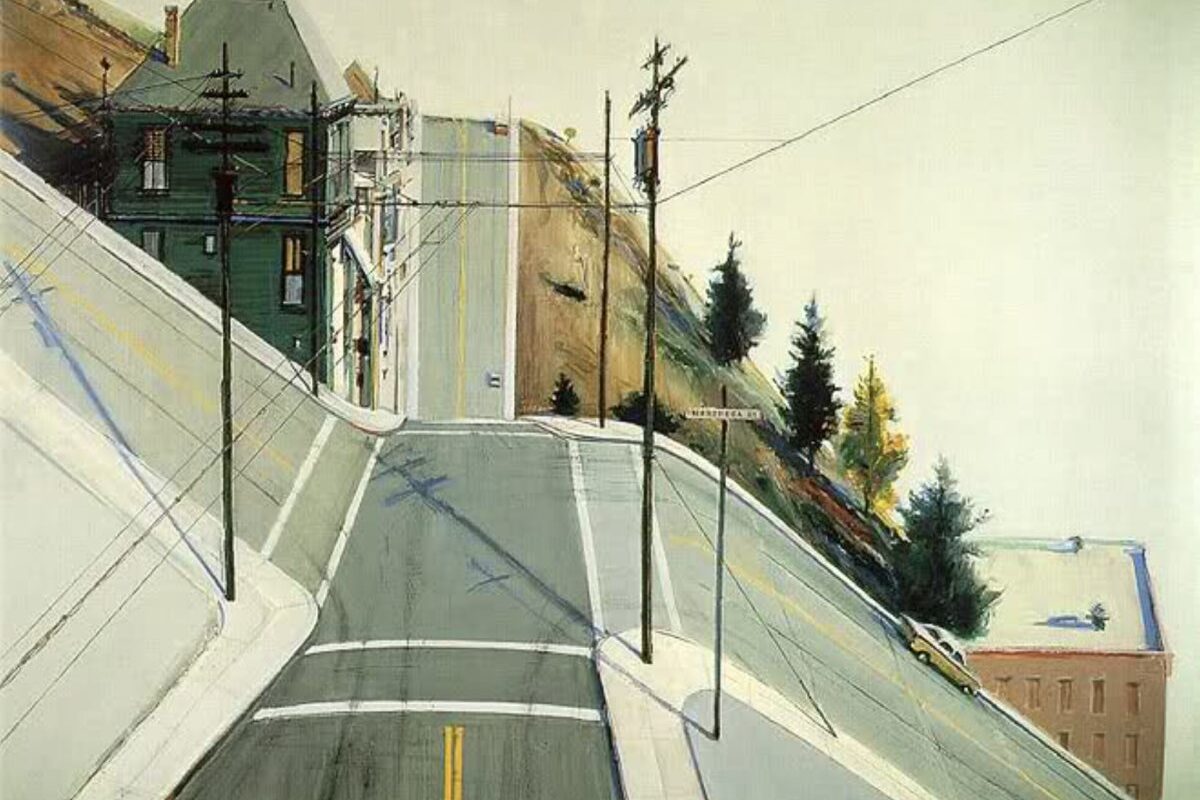
What if the most profound galleries in the city don’t have a roof? While searching for the best San Francisco museums, it’s easy to feel buried under a mountain of $30 ticket prices and crowded gift shops. You want to touch the authentic history of the West Coast, yet you often end up stuck in a climate-controlled room with five hundred other people. We understand that your time is limited and your curiosity runs deep. You deserve a cultural encounter that matches the physical vitality of the city itself.
This guide promises to streamline your itinerary by highlighting essential cultural stops that are actually worth the climb. We’ll show you how to blend world-class art with the invigorating challenge of San Francisco’s famous stairways. Discover how to trade the typical tourist traps for a journey through living museums tucked away in residential backyards and atop fog-swept peaks. We are mapping out a day where your legs get a workout while your mind finds its focus, offering a fresh perspective on the topography that defines the city.
Key Takeaways
- Identify the cultural heavyweights like SFMOMA and the de Young while learning how to access the city’s most stunning free observation decks.
- Navigate the best San Francisco museums with a curated itinerary that balances high-end art with the physical challenge of the city’s hills.
- Uncover the “living museum” of SF’s residential backyards where historic architecture and steep stairways tell a story no gallery can hold.
- Master the transition from indoor exhibits to outdoor trails, such as moving from the Legion of Honor directly into the wild beauty of Lands End.
- Trade motorized sightseeing for an urban hike that turns your cultural study into an invigorating morning workout through hidden neighborhoods.
The Cultural Heavyweights: SF’s Iconic Art Institutions
Start your morning with a climb toward the city’s most formidable cultural peaks. The best San Francisco museums don’t just sit there; they command the skyline and demand a bit of legwork to truly appreciate. While you can find a comprehensive list of San Francisco museums elsewhere, these heavyweights are the anchors of any serious urban hike. They offer a sophisticated blend of architectural narrative and world-class collections that set the tone for a day of discovery.
SFMOMA and the Modern Pulse
The heartbeat of West Coast modernism lives in the SoMa district. The Snohetta-designed expansion of SFMOMA rises like a white, undulating wave above the city streets. It’s a massive space, but don’t let the scale swallow you whole. Navigating the Doris and Donald Fisher Collection requires focus, but the rewards are immense. If you need a breather, head to the third-floor living wall. It’s a vertical jungle that brings the outside in, blending native greenery with high-concept design. Before you leave, hit the rooftop garden. It is the ultimate spot for a pithy observation or a quick stretch before you tackle the next hill.
Golden Gate Park’s Artistic Anchor
The de Young Museum is a copper-clad masterpiece that’s literally designed to age with the park. Its facade was engineered to oxidize over time, eventually turning green to match the surrounding eucalyptus trees. It’s clever architecture at its best. While the American art collections are vast, the Hamon Observation Tower is the real reason for the active explorer to visit. It gives you a 360-degree scout of the hills you’re about to conquer. Access is included with your ticket, providing a perfect aerial map of the city’s topography.
Just a short trek away, the Legion of Honor stands as a neoclassical sentinel at the edge of the continent. It houses European masters in a setting that feels distinctly Parisian, yet its backdrop is the wild, rugged terrain of Land’s End. These institutions prove that the best San Francisco museums are those that force you to look both inward at the art and outward at the landscape. They are not just buildings; they are the starting blocks for your next city adventure.
Curiosity and Science: Museums for the Inquisitive Mind
If the art institutions are the city’s soul, then its science centers are the raw, firing neurons. Exploring the best San Francisco museums dedicated to curiosity requires a different kind of stamina. You aren’t just observing; you’re interacting with the very forces that shaped this peninsula. From the mechanical pulleys of the cable cars to the biological diversity of a four-story rainforest, these spots demand an active mind and a steady pair of walking shoes.
Interactive Wonders at the Piers
The Exploratorium at Pier 15 is a “mad scientist’s playground” that turns complex physics into a hands-on urban adventure. Walking the Embarcadero to reach the museum serves as a flat, scenic warm-up for the steeper climbs ahead. Inside, the Tactile Dome offers a total blackout sensory experience. It perfectly mirrors the thrill of discovery you feel when stumbling upon a hidden stairway in a residential neighborhood. It’s an exercise in navigation and trust that sharpens your senses for the city’s more rugged terrain.
The Science of the Presidio and Park
Head west to Golden Gate Park for the California Academy of Sciences. The building itself is a marvel, featuring a living roof that mimics the undulating topography of San Francisco’s seven major hills. Inside, the experience is equally layered:
- The Rainforest: A humid, four-story dome teeming with free-flying birds and exotic butterflies.
- Steinhart Aquarium: Home to the famous albino alligator, Claude, and a massive Philippine Coral Reef tank.
- Morrison Planetarium: A state-of-the-art digital dome that transports you across the galaxy.
If you prefer your history with a side of coastal fog, the Presidio of San Francisco offers a transition from military history to a hiker’s cultural paradise. The Walt Disney Family Museum sits here, offering a deep dive into the man’s legacy against the backdrop of the Golden Gate Bridge.
For a grittier look at the tech that actually conquered the city’s verticality, the Cable Car Museum is essential. It’s a functional powerhouse where you can see the massive winding wheels that pull the world’s last manually operated cable car system. It’s the perfect historical context to absorb before you set out on your own stairway walks to master the terrain on foot. These sites prove that the best San Francisco museums aren’t just for textbooks; they’re built into the very mechanics of how we move through the city.
The Living Museum: Discovering SF’s Open-Air History
While many visitors flock to the San Francisco Museums listed in glossy brochures, the city’s most vibrant history isn’t behind velvet ropes. It is etched into the very pavement of the hills. A “Living Museum” is an active neighborhood where the architecture and topography tell a story more visceral than any museum plaque. To see the best San Francisco museums, you don’t actually need a ticket. You need a sturdy pair of sneakers and a willingness to climb.
Stairway Paths as Curated Exhibits
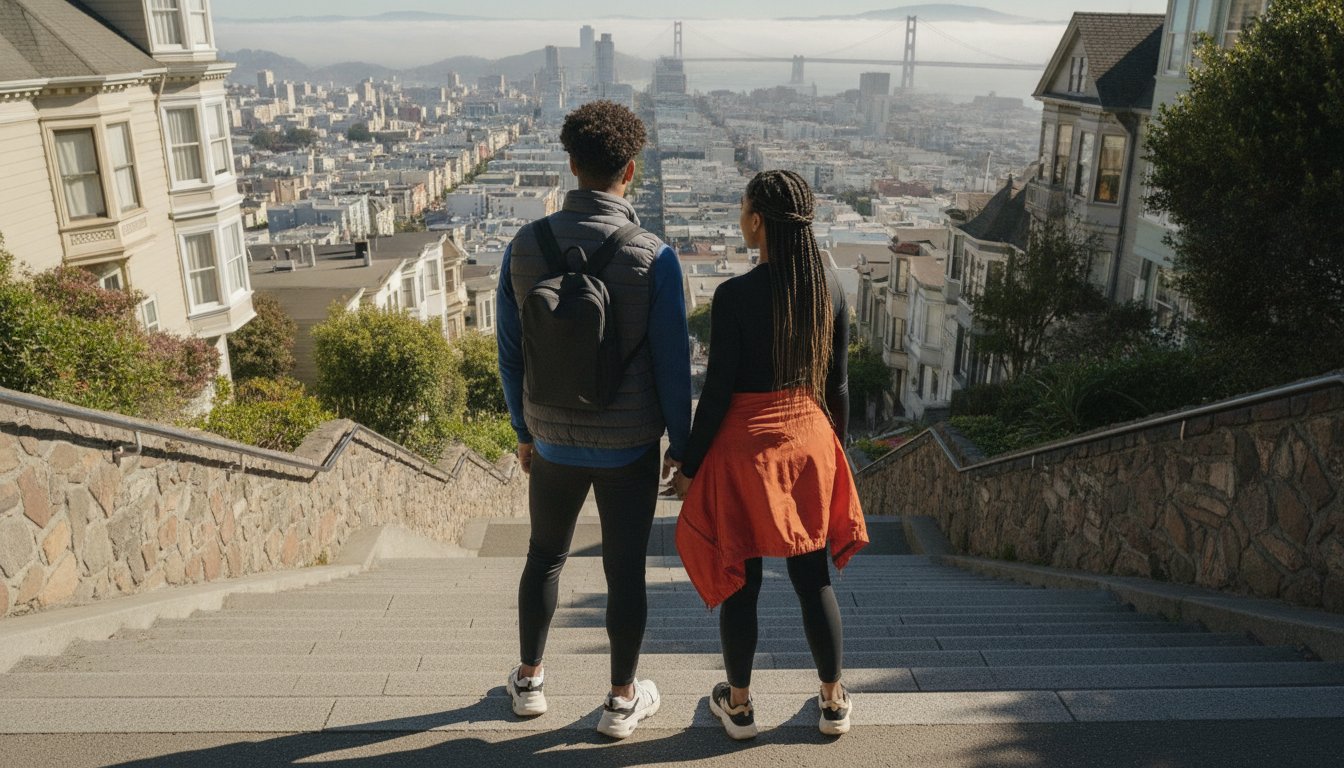
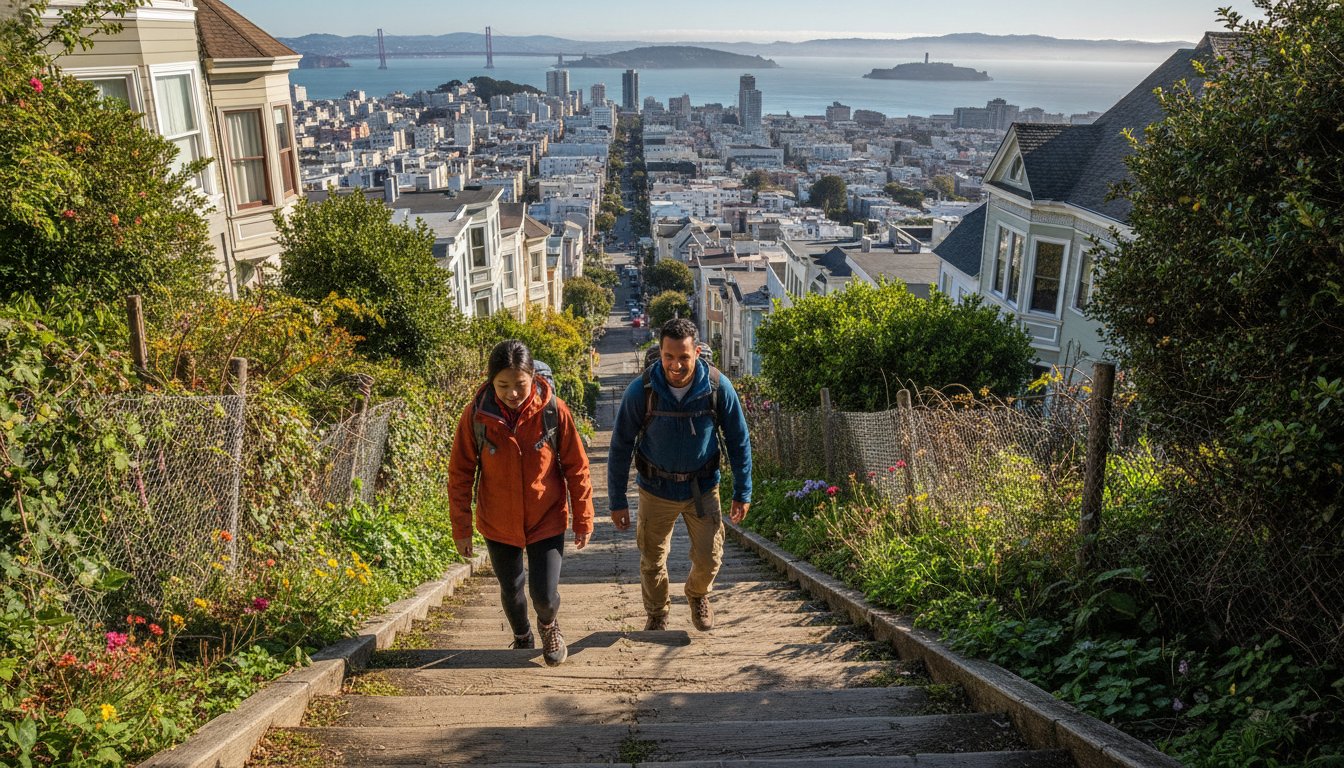
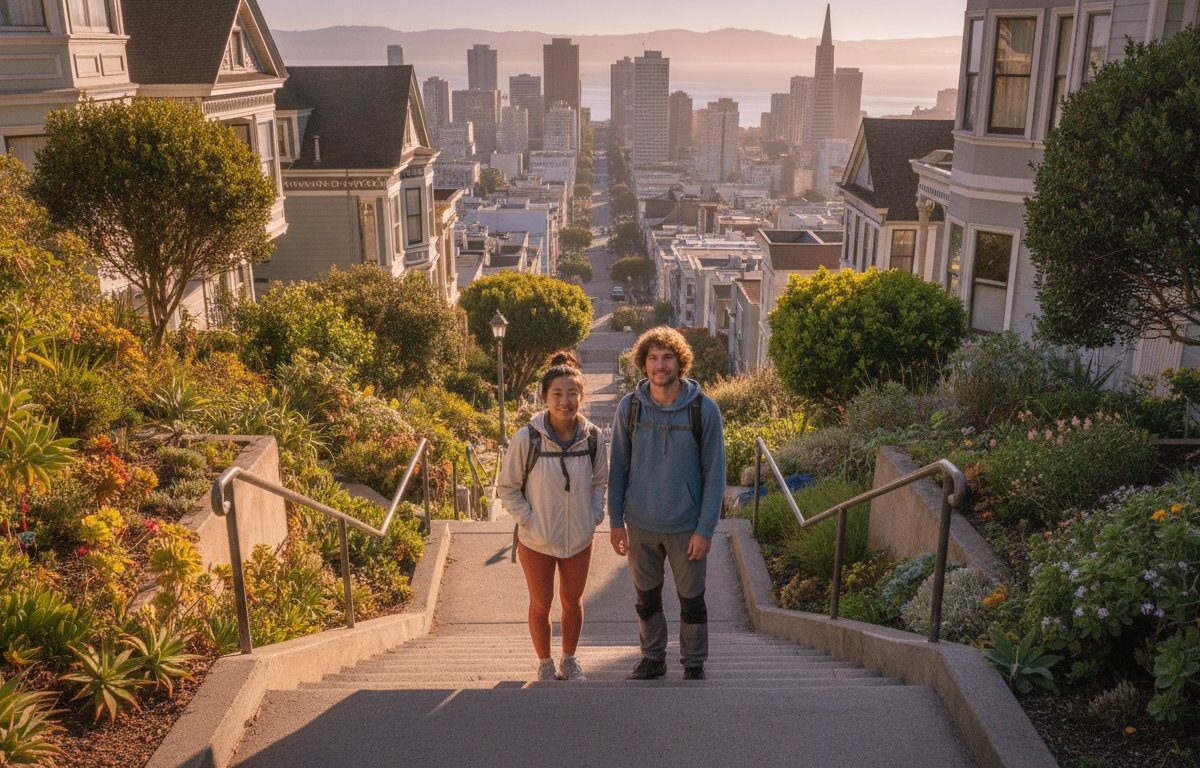
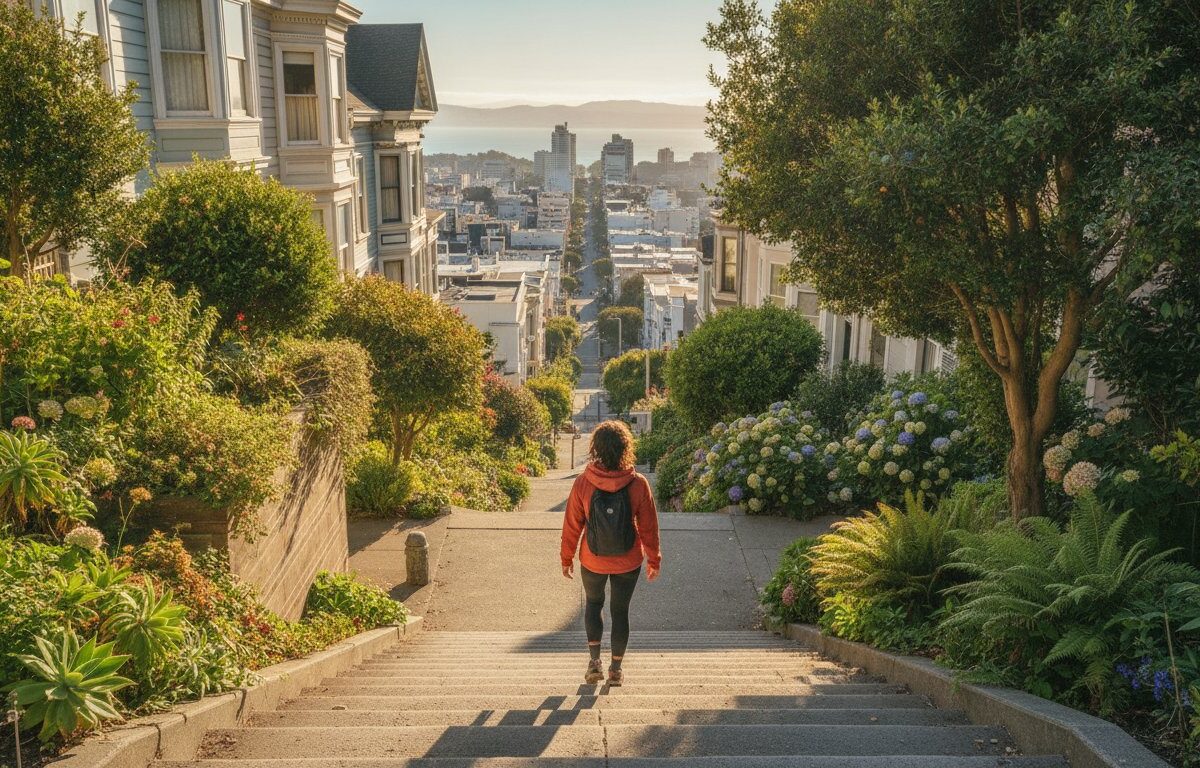
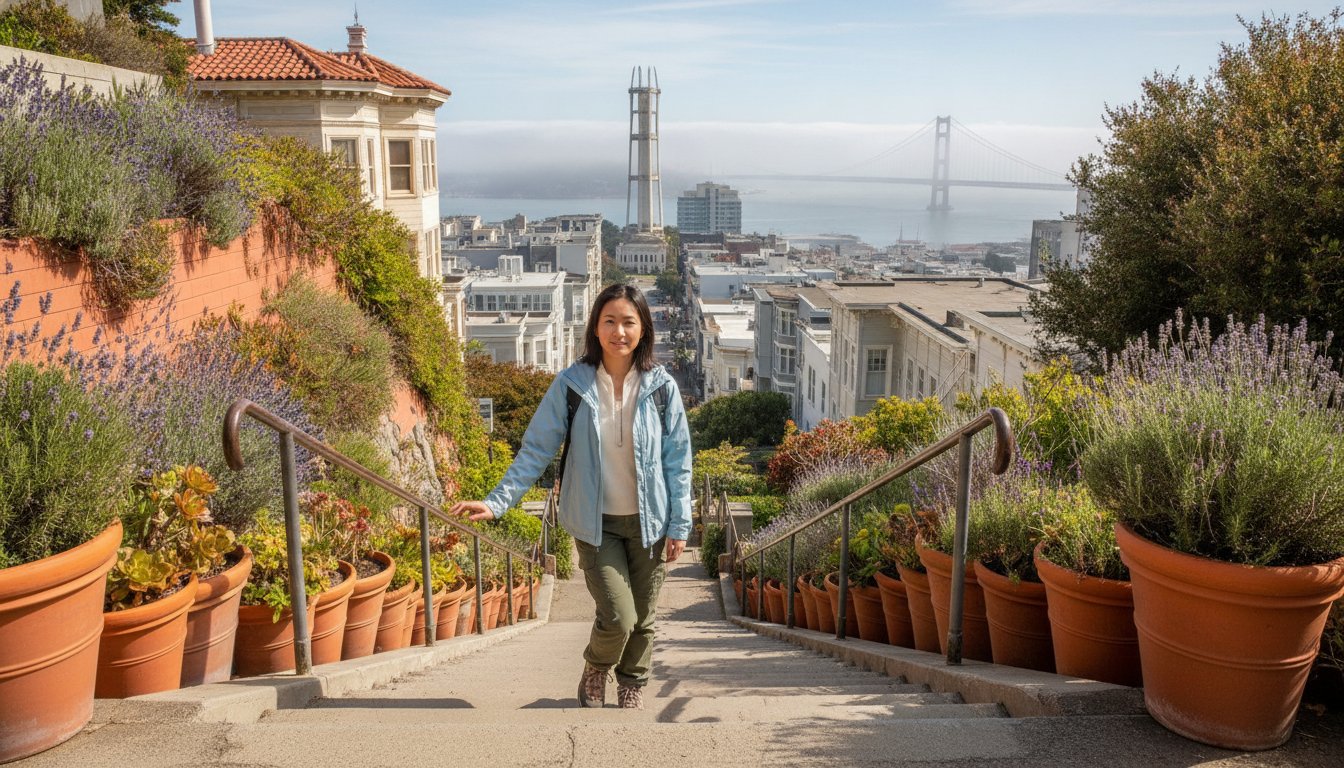
The Filbert Steps are a prime example of this outdoor gallery. This isn’t just a way to get from point A to B. It is a vertical garden walk that rivals the most manicured botanical museum. As you ascend, the city reveals itself in layers. The 16th Avenue Tiled Steps function as community art, where 163 mosaic panels turn a steep incline into a curated exhibit. These paths provide a shift in viewpoint that no indoor gallery can match. They demand physical engagement, turning your cultural study into a heart-pumping workout that rewards you with every step.
Architecture You Can Hike
Walking through Haight-Ashbury or Alamo Square is a masterclass in Victorian splendor. The “Painted Ladies” are more than just a photo op; they represent the evolution of the city’s residential aesthetic. You can track the transition from the ornate Art Deco era to the clean lines of Mid-Century Modernism just by watching the rooflines change as you climb higher. The topography of the hills shaped the social and architectural history here, dictating where the grandest homes were built and how neighborhoods connected.
Seeing these landmarks from the window of a tour bus is like looking at a museum through a foggy window. You miss the texture of the shingles and the scent of the hidden backyard gardens. Our Neighborhood History Tours invite you to step off the pavement and into the narrative. It’s about the physical adventure of the climb and the satisfaction of seeing the city from an elevation you earned yourself. This is how you experience the best San Francisco museums, one staircase at a time.
Master Your SF Itinerary: Blending Art with High Elevation
Planning a day around the best San Francisco museums shouldn’t mean sacrificing your daily step count or getting stuck in a standard tourist slog. In a city defined by its verticality, the most rewarding itineraries are those that treat the trek between galleries as part of the exhibit. By pairing indoor contemplation with outdoor exertion, you create a “Fitness + Culture” experience that captures the true spirit of the peninsula. It’s about the climb, the context, and the eventual reward of a world-class view.
The Ultimate Urban Hike & Museum Combo
Start your morning at the de Young Museum before the crowds peak. Once you’ve surveyed the city from the Hamon Observation Tower, exit the park and head directly into the hidden paths of the Inner Sunset. These residential stairways offer a quiet, leafy contrast to the museum’s copper-clad geometry. For a more industrial mashup, visit SFMOMA in the morning and then hike the Rincon Hill stairways. You’ll move from modern art masterpieces to the gritty, soaring urban topography of the Bay Bridge approach. These transitions keep your energy high and your perspective shifting.
- Legion of Honor to Lands End: Move from neoclassical sculptures to rugged coastal trails in under five minutes.
- Coit Tower to the Filbert Steps: Pair historic murals with a steep, garden-lined descent toward the Embarcadero.
- The Presidio Loop: Combine the Walt Disney Family Museum with a hike through Andy Goldsworthy’s outdoor art installations.
Practical Logistics for the Urban Explorer
Success on these routes depends on your gear. In San Francisco, your “museum shoes” must also be your “hiking shoes.” Don’t be fooled by the polished marble floors of the galleries; the moment you step outside, you’ll be facing 20 percent grades and uneven stone steps. Packing for microclimates is equally critical. A museum visit requires the same layers as an urban hike because the fog doesn’t care if you’re looking at a Picasso or a Victorian roofline. Wear breathable fabrics and carry a light, windproof shell.
Navigating these hills requires more than just a map; it requires a curator’s eye for the city’s hidden connectors. Using our expertise in Stairway Walks and Neighborhood History Tours, you can find the most invigorating routes that link these cultural hubs. A local guide turns a simple walk into a meaningful adventure, pointing out the architectural narratives that most visitors miss from a car window. End your cultural climb at a local eatery in the Richmond or a quiet cafe in SoMa to refuel. You’ll find that the food tastes better when you’ve earned the elevation.
Step Beyond the Gallery Walls
The best San Francisco museums don’t end at the exit sign. They extend into the winding streets, the steep inclines, and the secret gardens that define our skyline. You’ve seen how the city’s iconic institutions blend seamlessly with their natural surroundings, from the living roof of the Academy to the copper facade of the de Young. By treating the city’s topography as an active gallery, you transform a standard visit into a transformative journey. The most authentic history is often found in the residential backyards and hidden stairways that most tourists never see.
Don’t just observe the narrative; walk right through it. Whether you’re navigating the modern pulse of SoMa or the Victorian splendor of the hills, the physical adventure is what makes the story stick. Ready for a fresh perspective? Book a City Drifts Stairway Tour and see the city’s living history on foot. Our local guides offer expertly curated routes that combine invigorating exercise with world-class vistas and authentic stories. It’s time to trade the motorized tour for an urban hike that engages your body and your mind simultaneously. The hills are waiting for you.
Frequently Asked Questions
What is the best museum in San Francisco for first-time visitors?
SFMOMA and the de Young Museum are the essential starting points for any first-time visitor. SFMOMA anchors the downtown modern art scene, while the de Young offers a deep dive into American history within the lush landscape of Golden Gate Park. Both are consistently ranked as the best San Francisco museums because they pair world-class collections with iconic architectural designs that reflect the city’s innovative spirit.
Are there any free museums in San Francisco?
The Randall Museum and Fort Point National Historic Site both offer free admission to the public. You can also explore the Presidio’s outdoor art installations, including works by Andy Goldsworthy, without spending a dime. For larger institutions, the Asian Art Museum provides free general admission on the first Sunday of every month, though it’s wise to arrive early to beat the crowds.
How do I see the hidden stairways of San Francisco?
You find these hidden gems by venturing into the steep, residential pockets of neighborhoods like Telegraph Hill, the Inner Sunset, or Bernal Heights. These stairways often cut through private backyards and lush gardens, serving as the city’s most intimate “living museums.” While you can find them on various city maps, joining a guided stairway walk is the best way to uncover the local lore and specific architectural details you might otherwise overlook.
What is the best way to get between San Francisco museums without a car?
Urban hiking is the most invigorating way to move between cultural hubs because it turns your transit into a physical adventure. The city’s compact, 49-square-mile layout makes it possible to trek from the waterfront Exploratorium to the hilltop Coit Tower on foot. If you need to cover more ground quickly, the MUNI bus and light rail systems offer direct routes between major districts like SoMa and Golden Gate Park.
Which San Francisco museum has the best views of the city?
The de Young Museum’s Hamon Observation Tower provides an unparalleled 360-degree view of the park, the Richmond district, and the fog-swept Pacific. Another top contender is Coit Tower, where you can admire historic murals before taking the elevator up for a panoramic look at the Bay Bridge and Alcatraz. These spots allow you to master the city’s topography from a refined, elevated perspective.
Is it worth doing an urban hike if I only have one day in San Francisco?
An urban hike is actually the most efficient way to see the city if you’re short on time. It allows you to combine your morning exercise with a tour of the best San Francisco museums and their surrounding historic neighborhoods. You’ll experience more of the city’s authentic character on foot in three hours than you would in a full day of motorized sightseeing, all while earning the vistas you see along the way.